Fleet Management Software for Civil Construction
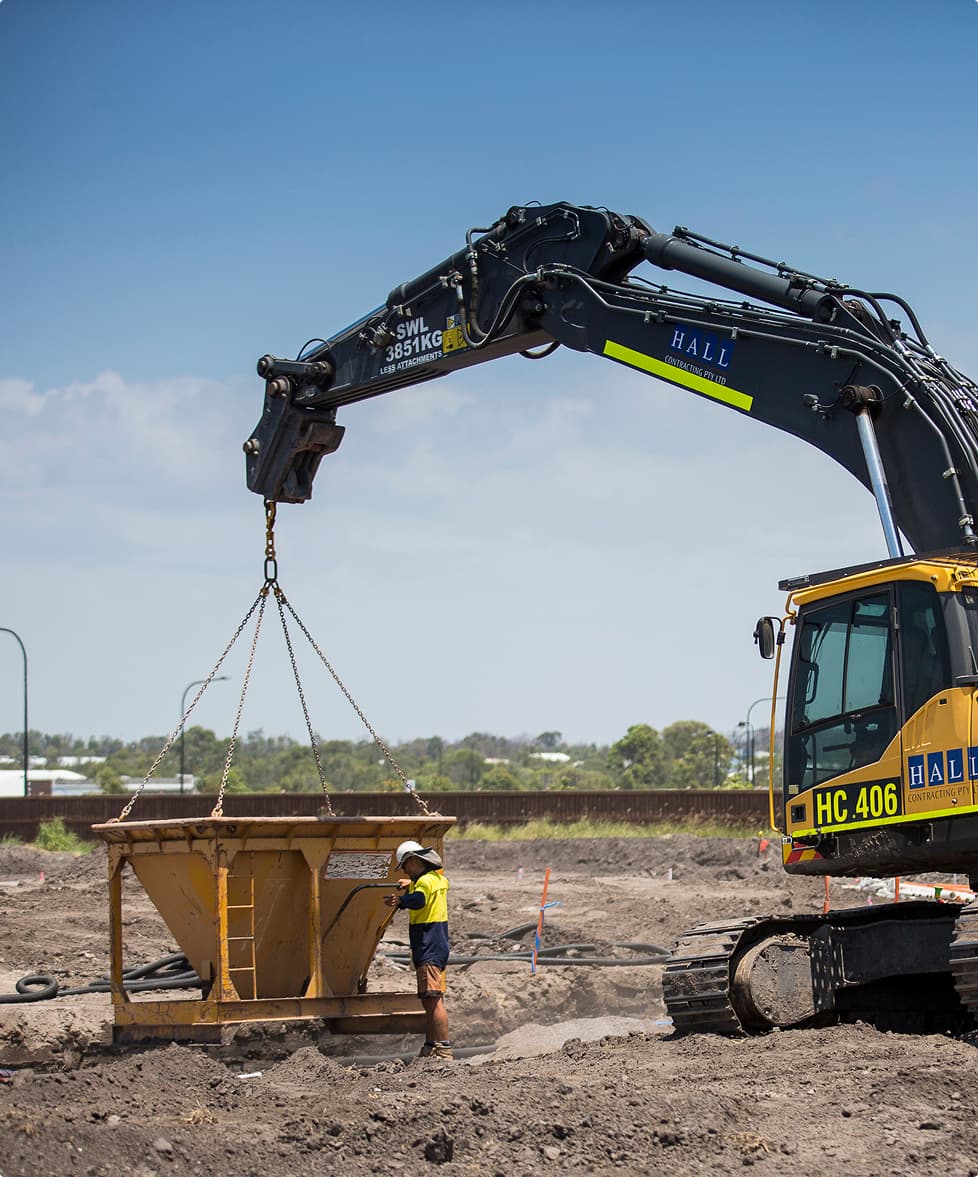
A civil fleet is never just vehicles. It is utes and tippers, excavators and rollers, attachments, trailers and gear that has no power source at all, spread across sites that change every few months. TFO Software is fleet management software built for exactly that mix: one asset register for everything you run, tracking hardware chosen to suit each type of asset, servicing scheduled off real engine hours, and pre-starts, dockets and timesheets captured from the field so plant and labour land on the right job.
The problem is not the machines, it is the record
Ask a civil contractor where a specific roller is, when it was last serviced, how many hours it did on the current job and whether the operator completed a pre-start on it this morning, and the answer usually involves four systems and two phone calls. The tracker has a portal, the servicing lives in a spreadsheet, the pre-starts are in a folder of paper and the hours are on a docket somewhere. Each part works. Together they never agree, and the disagreement only surfaces when a machine goes down mid-job or a client queries an invoice.

Every asset in one register, including the ones without an engine
TFO Software starts with a single asset register that holds every vehicle, truck and piece of plant you run, along with the documentation, images, financial information and specifications stored against each one. Attachments, trailers and site gear go in the same place as the excavators. That matters on a civil job because the smaller items are the ones that quietly disappear, and because a register that only covers registered vehicles cannot tell you what the job actually had on it.
so hire invoicing and approved timesheet data flow straight into accounting. Keeping the programs connected is what stops the familiar problem of four systems giving you four different answers about the same machine.
Servicing scheduled off engine hours, not a calendar guess
A delivery truck can run on kilometres. An excavator cannot. FleetMaint lets you set the right interval per asset, so each machine is counted down on its own utilisation, and when tracking is connected the hours that trigger the reminder come straight off the machine rather than off someone’s estimate. Reminders land before the work falls due, which means a service gets booked while the asset can spare the time instead of after it has failed on site.
Pre-starts, defects and risk assessments captured in the field
Pre-start checks are completed on a phone, with photos attached, and stored against the asset permanently. Faults logged in the field become visible in the office the moment they are raised rather than at the end of the week. The Risk Assessment Builder lets you build and store risk assessments for operators to sign onto as part of that pre-start, so every signature is held against the machine it relates to. Under WHS law, plant must be maintained and regularly inspected, and this is the record that shows it was. Every asset also carries its own QR code, so the compliance documentation and the full maintenance history stay with the machine at all times and can be scanned on site.
Labour and plant coded to the same job
This is where a fleet platform beats a stack of separate tools. Timesheets and digital dockets let crews record hours and work activities against project or job codes from site, with the device location captured on submission, and because the platform already holds your plant, an operator can book time against the same asset the business is tracking, fuelling and maintaining. Approved hours export to accounting, with hire invoicing and timesheet data flowing to Xero, so the job cost is built from what actually happened rather than reconstructed at month end.
Idle time and fuel, which is where civil margin goes
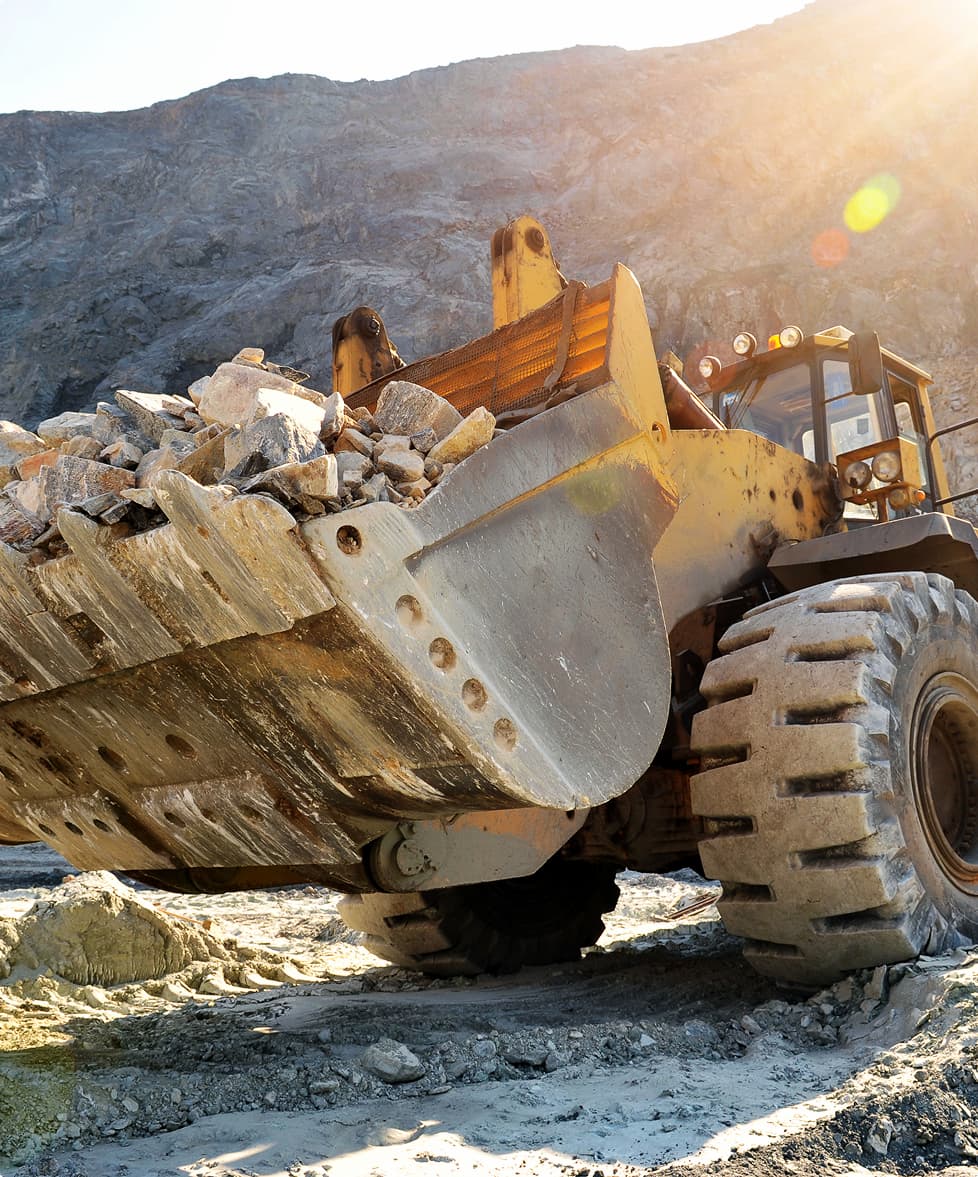
Diesel sits just behind labour as the biggest cost on a civil operation and it is the hardest to see. Fuel Logging ties every litre to an asset, logged by card, bowser or manual entry, so one fleet bill becomes a list of fixable problems: the excavator burning twenty percent more than its twin, the truck whose usage spiked when a new driver started. Excessive idle is flagged automatically, and the on-road and off-road split you need for a fuel tax credits claim rests on data rather than an estimate.
Hardware that survives a civil site
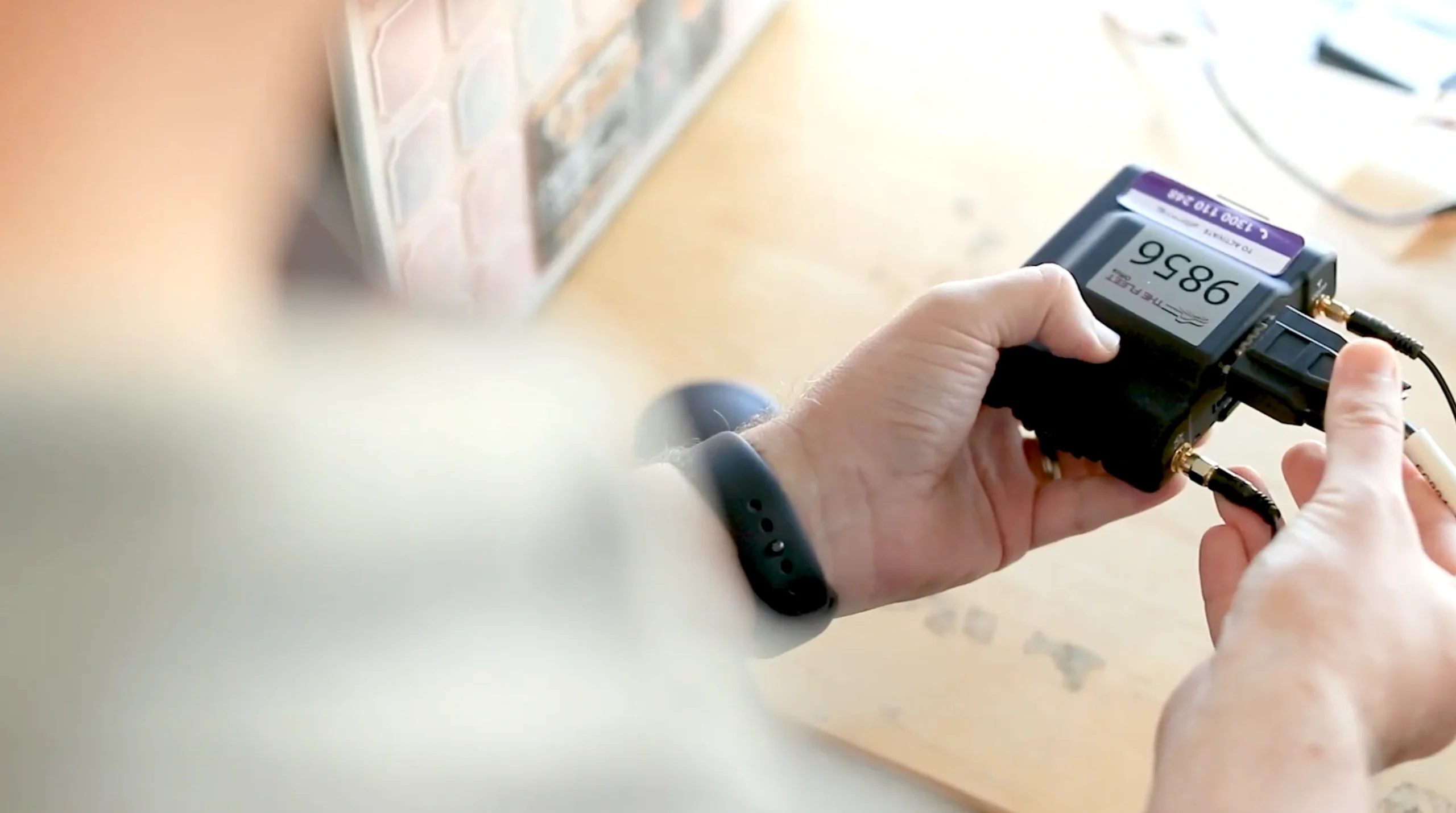
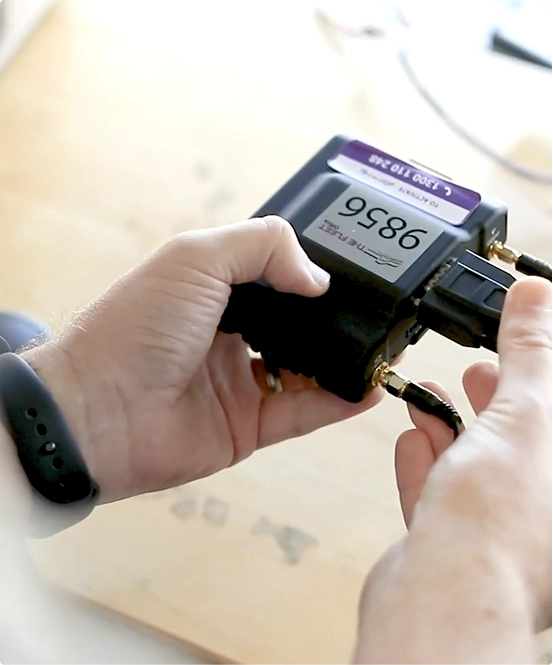
Fit a plug-in light vehicle device to a machine that lives in the dirt and it fails in a month. TFO Software supplies a device for each job instead of making the fleet fit one box: rapid-fit light vehicle trackers, hardwired Dart 3 units, a Plant and Equipment tracker designed and assembled in Australia, and a battery tracker for non-powered, exposed assets such as trailers and site containers. Every device is backed by a 24-month warranty, ships with a fitting guide and activates by QR code, and it is all supplied and supported in-house.
Built for civil, by people who started there
TFO Software exists because the trackers available to the construction industry were unreliable and dropped the data that mattered, so the director built a better one and kept going. The platform is developed in-house in Mooloolaba, Queensland, shaped by what contractors asked for next, and used by operators including SEE Civil, Shamrock, Conplant and VE Group. Support is included for the full life of your subscription, there are no lock-in contracts, and the system is modular, so a five-ute crew and a hundred-machine fleet can both run something that fits. The same platform runs across the other industries we serve, including haulage and transport, mining and resources, and plant and equipment hire.
Frequently Asked Questions
Still Got questions?
Can one system handle vehicles, heavy plant and attachments?
Yes. Every asset goes into the same register regardless of type, with the service interval set per asset so a truck runs on kilometres and an excavator runs on engine hours. Non-powered gear such as trailers and containers can be tracked with a battery device.
Does it do digital pre-starts?
Yes. Pre-starts and inspections are completed on a phone from the field, with photos attached and time-stamped records stored against the asset. Faults raised in the field are visible to the office immediately.
Can we track hours and labour against a job?
Yes. Timesheets and digital dockets record work activities against project or job codes, submitted from the operator’s own device with location captured. Approved hours export to accounting.
Will it work on remote sites?
Every device runs on the 4G-LTE network. A WiFi Tracker is also available: it connects over WiFi where a site has it, with the 4G-LTE network as the backup.
Do we have to buy the whole platform?
No. TFO Software is modular. Start with the programs you need now and add the rest as you grow, on a subscription with no lock-in contract.
See it running on your own gear. Book a demo or start a 14-day free trial and get your first assets live with help from an implementation consultant.


- Book your demo
- Or claim your 14-day Trial